You know kitesurfing is becoming serious when you check the wind forecast before checking your messages.
At first, it looks like a fun holiday activity. You see riders flying across the water, jumping, crashing, laughing, and trying again. You think: “That looks cool. Maybe I’ll try one lesson.”
Then one lesson becomes three. Three sessions become a trip. One trip becomes a lifestyle. Suddenly, your browser history is full of wind apps, kite gear reviews, flight searches, and videos about landing your first jump.
So, why is kitesurfing addictive?
Because it combines freedom, progression, nature, adrenaline, travel and community in a way very few sports can match.
And if you already ride, you probably know exactly what we mean.
Signs You Are Hooked on Kitesurfing
Still wondering if you are already hooked?
Here are the 10 signs you are hooked on kitesurfing:
- You check the wind forecast more than your social media.
- You know what 20 knots feels like.
- You say “one more tack” and disappear for another hour.
- You plan holidays around windy seasons.
- You watch kite videos before sleeping.
- You get excited when palm trees start moving.
- You talk about going upwind like it is a major life achievement.
- You remember sessions by wind direction, not by date.
- You are already thinking about your next kite trip.
- You proudly say “the wind and the sea are free”… then remember your gear bag is worth €6,000.
If you smiled at more than three of these, sorry — you are probably one of us now.
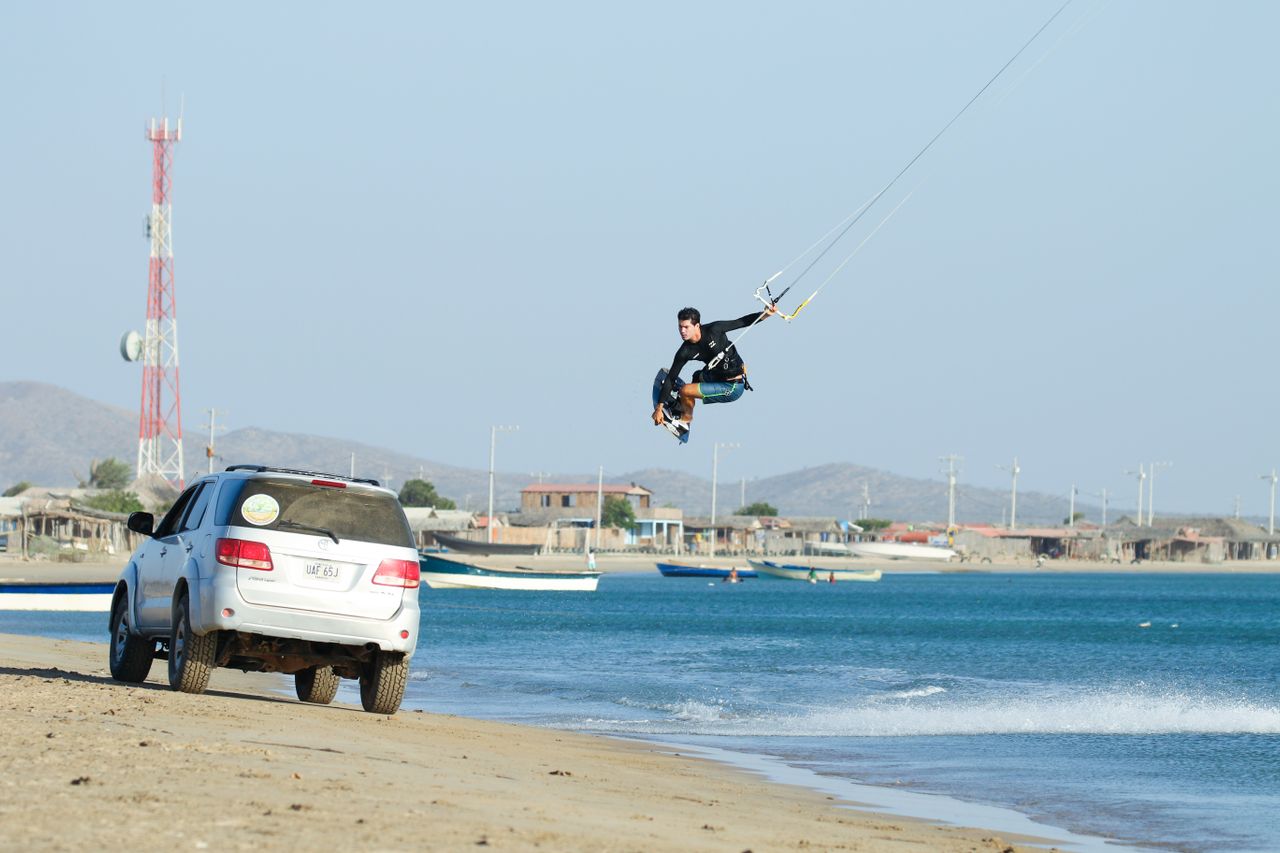
Image by Harold Granados
That First Real Ride Changes Everything
Every kitesurfer remembers the first real ride.
Not the first crash. Not the first time the kite fell in the water. Not the moment you swallowed half the lagoon by accident.
The moment that stays with you is when everything finally clicks. The kite pulls smoothly, the board starts gliding, your body finds balance, and for a few seconds you feel like you are flying over the water.
That first ride is one of the biggest reasons kitesurfing is so addictive. It gives you an instant reward after a real challenge. You struggled, you focused, you listened, you tried again — and suddenly you moved.
That feeling is hard to forget.
Why People Love Kitesurfing: Freedom, Focus and Flow
One reason why people love kitesurfing is that it forces you to be fully present.
On the water, you cannot think about emails, meetings, notifications or daily stress. You need to feel the kite, read the wind, watch the water, control your board and stay aware of your surroundings.
It is intense, but also strangely calming.
For a while, your world becomes very simple: wind, water, board, kite.
That mix of focus and freedom creates the famous kitesurfing feeling. You are moving with nature, not against it. You are using the wind, not an engine. You are outside, barefoot, salty, tired, happy.
It feels like sport, travel and meditation all at once.
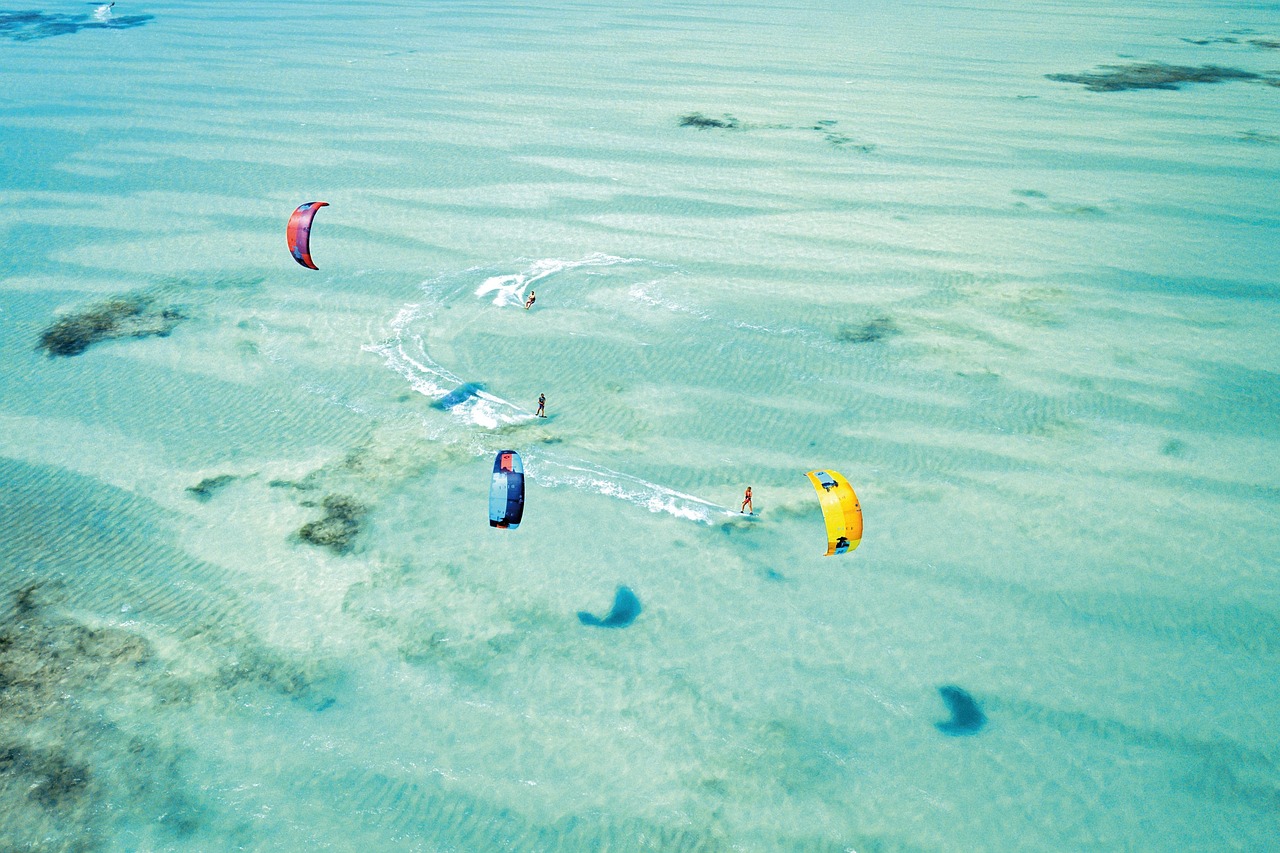
Image by Kitereisen
Kitesurfing Progression Keeps You Coming Back
Kitesurfing progression is another reason riders get hooked so quickly.
There is always a next step. First, you learn kite control. Then body dragging. Then waterstart. Then riding both ways. Then going upwind. Then transitions. Then jumps. Then maybe waves, foiling, freestyle or big air.
You never really “finish” kitesurfing.
Every small improvement feels huge. Your first waterstart feels amazing. Your first long ride feels even better. The first time you return to the same beach instead of walking back with your board? Pure victory.
This is why kitesurfing is addictive for beginners and advanced riders alike. Beginners chase the basics. Experienced riders chase height, style, flow, new tricks or cleaner technique.
There is always a reason to go back on the water.
Kitesurfers Become Addicted to the Wind Forecast
Before kitesurfing, wind is just weather.
After kitesurfing, wind becomes information.
You start learning about knots, gusts, wind direction, tides, thermals, currents and why a “sunny day” does not automatically mean a good session.
Then comes the forecast habit.
Morning coffee? Wind check. Lunch break? Wind check. Before bed? One last check, just in case the forecast changed.
This is one of the funniest signs of kitesurfing addiction. You no longer ask, “Will the weather be nice?” You ask, “Will it be rideable?”
And when the forecast turns green, your mood changes instantly.
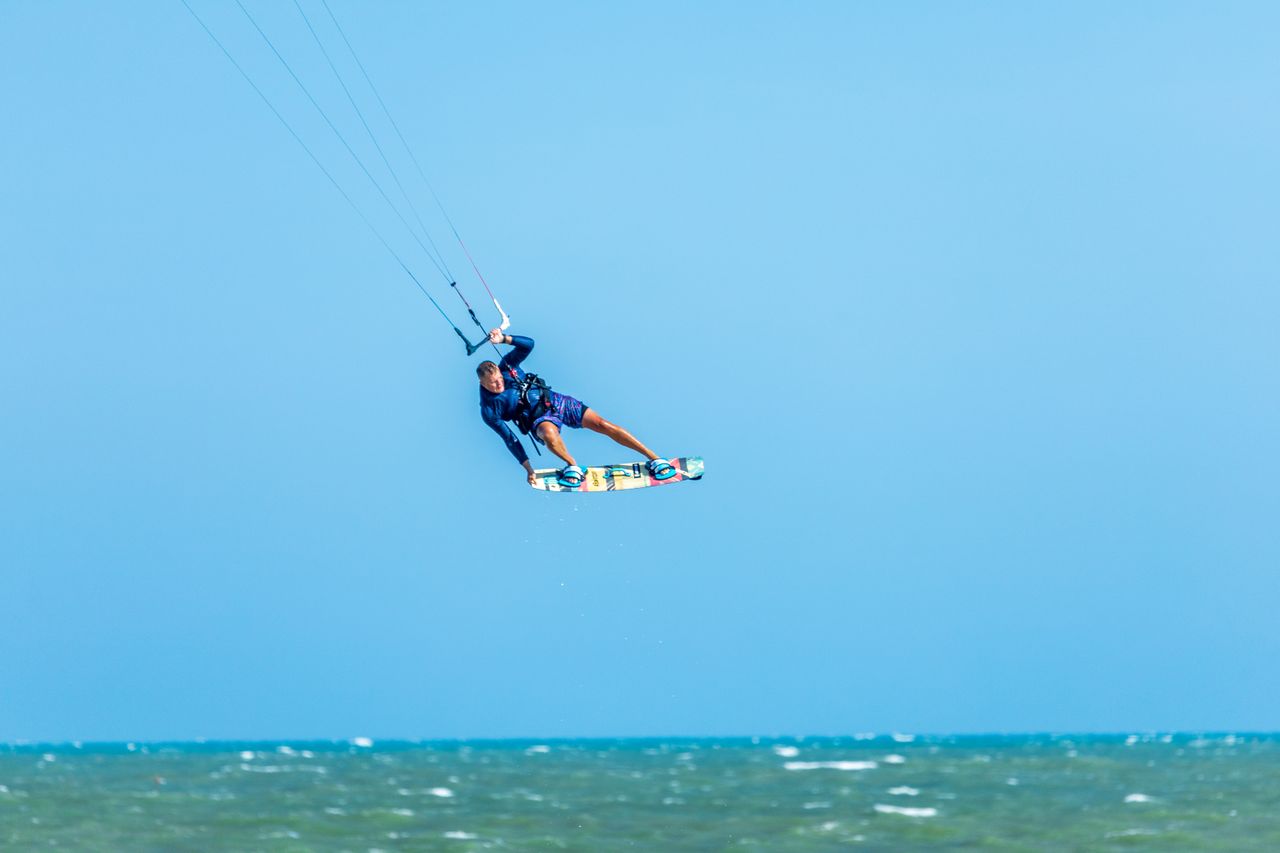
Image by Serg Alesenko
The Kitesurfing Lifestyle Is More Than a Sport
The kitesurfing lifestyle slowly changes the way you travel, train, shop and plan your free time.
At first, you only want to try a lesson. Then you want another session. Then you start looking for windy destinations. Then you realize your perfect holiday now includes warm water, reliable wind, a good kite spot, relaxed accommodation and people who understand why 25 knots is exciting.
That is when kitesurfing becomes more than an activity.
It becomes a way to explore the world.
You start choosing destinations based on seasons, wind reliability, water conditions and local vibe. Beach towns, kite camps and tropical spots suddenly become much more attractive than crowded city breaks.
For some riders, it even becomes a kitesurf digital nomad lifestyle: working remotely, chasing wind, and choosing places where the next session is
The Community Pulls You In
The kitesurfing community is one of the most underrated parts of the sport.
Kitesurfing may look individual from far away, but the beach is full of small moments of connection. Someone helps you launch. Someone gives you a tip. Someone celebrates your first ride. Someone laughs with you after a harmless crash.
Riders come from different countries, backgrounds and ages, but once they are on the beach, they speak the same language: wind, gear, sessions and stories.
This is especially true on kitesurfing holidays in Indonesia, where people come for the conditions but often remember the atmosphere just as much: warm water, simple beach life, local hospitality, shared dinners and that relaxed post-session feeling.
You arrive for the sport. You often leave with new friends.
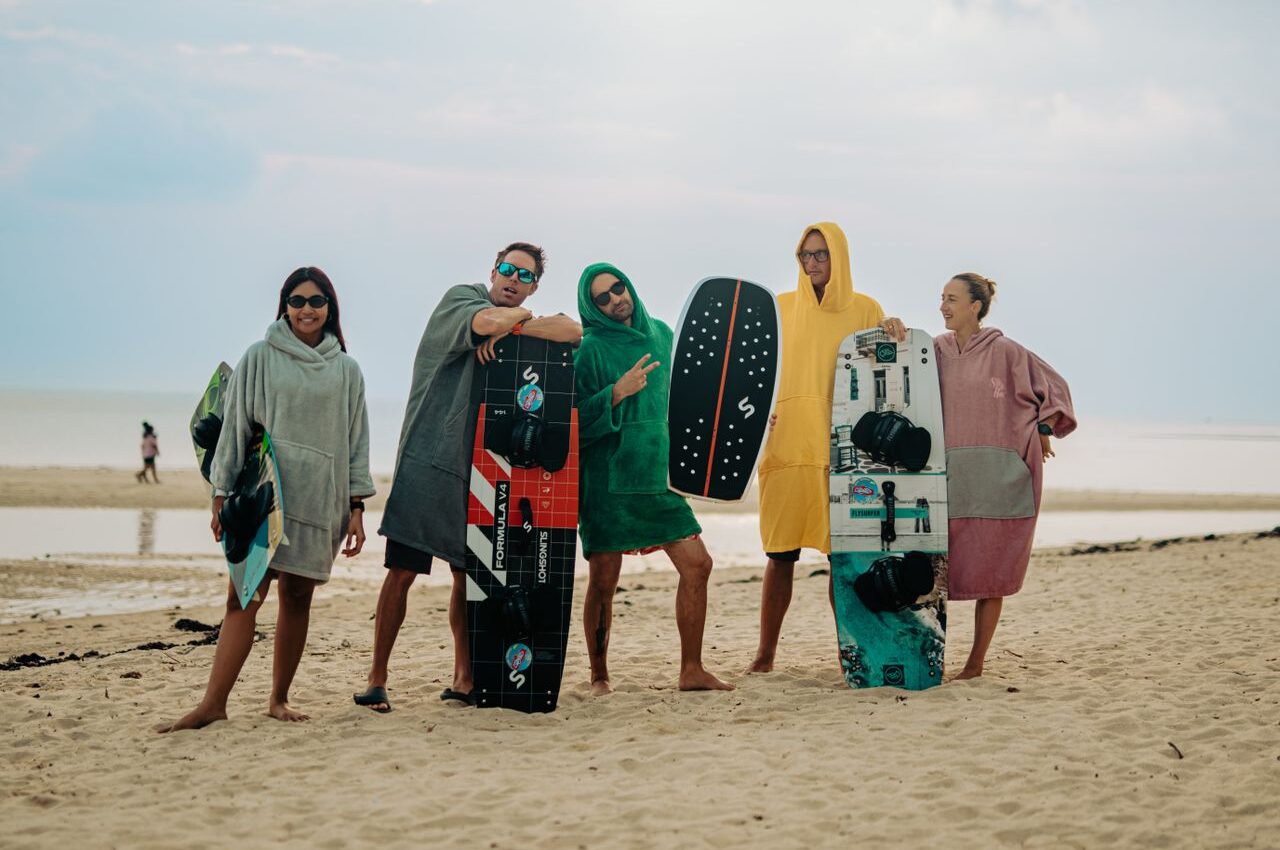
Image by Yasin Aydın
When Kitesurfing Quietly Starts Taking Over Your Budget
Another clear sign that kitesurfing is becoming addictive? You start justifying expenses that would have sounded crazy before.
At first, you pay for a lesson. Then another one. Then you start thinking about your own harness, your first board, a kite that fits the wind range, maybe a second kite “just in case.” Before long, you are checking flight prices, boardbag fees, accommodation near the spot and whether your travel insurance covers watersports.
And somehow, it all makes sense.
That does not mean you need to buy everything at once. In fact, beginners should avoid rushing into expensive gear too early. Lessons, safe progression and local advice matter much more than owning the perfect setup from day one.
But once you get hooked, your spending habits change. A normal weekend away becomes less exciting than three windy days by the water. A new phone can wait, but a good kite trip? That feels urgent.
You may even catch yourself saying, “the wind and the sea are free”… while traveling with €6,000 worth of kitesurfing gear.
This is part of the kitesurfing lifestyle: you do not just spend money on equipment or travel. You spend it on sessions, memories, progression, freedom and that unbeatable feeling of coming back from the water salty, tired and completely happy.
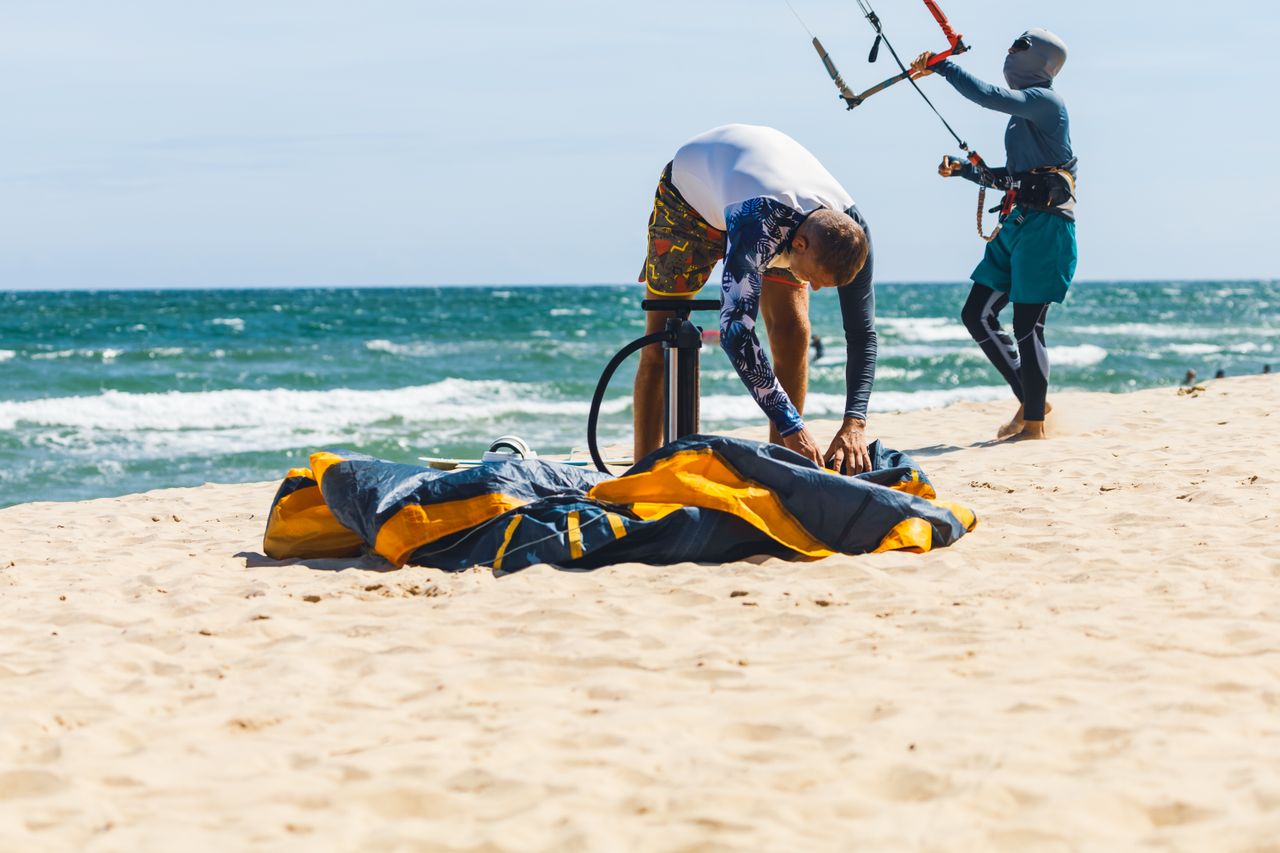
Image by Serg Alesenko
Gear, Skills and Goals: The Fun Never Really Ends
At the beginning, kite gear looks complicated.
Kites, boards, bars, harnesses, lines, pumps, safety leashes, impact vests, helmets, foil boards… it feels like a lot.
Then slowly, you start caring.
You understand why kite size matters. You notice the difference between a twin-tip and a directional board. You compare harnesses. You ask about wind range. You recognize kite brands from far away.
This is another reason kitesurfing is so addictive: the sport keeps opening new doors.
There is always something to learn, adjust or improve. The right gear can make sessions smoother, safer and more fun, but the real magic is still time on the water.
Progression comes from riding, trying, failing, laughing and trying again.
Want to Learn Kitesurfing in Indonesia?
If this article makes you curious, maybe it is time to learn kitesurfing in Indonesia.
Indonesia offers warm water, tropical landscapes, welcoming people and beautiful kite spots that make the learning experience feel like a real adventure. For beginners, the most important thing is to start with proper lessons, safe conditions, suitable equipment and instructors who know the local spot.
Kitesurfing is exciting, but it is still a wind sport. Respect the conditions, learn step by step and do not rush the basics. The better your foundation, the more fun you will have later.
One lesson can become a passion.
One ride can become a memory you chase for years.
And one windy day in Indonesia might be all it takes to get you completely hooked.