Image from Thomas G.
You’ve probably heard both words: kitesurfing & kiteboarding. Maybe you’ve even wondered whether they are two different sports—or whether you’ve been using the wrong name all along.
Good news: most of the time, they mean exactly the same thing.
Both involve using a controllable kite to harness the wind and ride across the water on a board. The difference is mostly about where you are, who you’re talking to and the kind of riding they enjoy.
Kitesurfing vs Kiteboarding: Let’s clear it up!
- Kitesurfing and kiteboarding usually describe the same sport.
- Kiteboarding is sometimes used as the broader name for all kite-powered board styles.
- Kitesurfing can refer more specifically to riding waves on a surf-style board.
- Many riders simply call it kiting.
So if you say you’re going kitesurfing while carrying a twintip board, nobody should stop you on the beach to correct you.
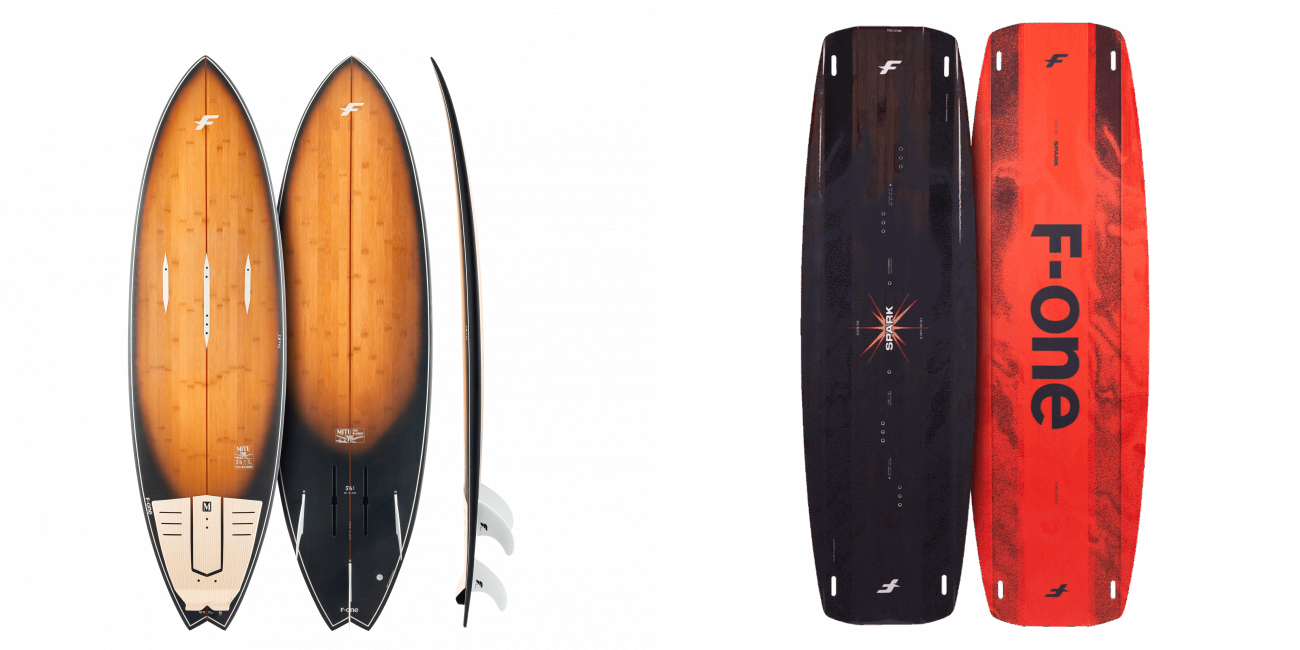
What Is Kitesurfing?
Kitesurfing is a wind-powered water sport. You use a large kite, connected to you through a harness and control bar, to pull you across the water on a board.
Despite the word surfing, you don’t need waves.
You can kitesurf on:
- Flat-water lagoons
- Lakes
- Choppy coastal water
- Open sea
- Small or large waves
All you need is suitable wind, enough space, the right equipment and safe conditions.
This is worth explaining in Indonesia because the country is so famous for surfing. Newcomers sometimes assume that kitesurfing must involve large waves and advanced surf skills.
It doesn’t.
Some Indonesian kite spots provide flatter water, while others are better suited to experienced wave riders. In Jeneponto, for example, many riders come primarily for the reliable wind rather than to chase big surf.
What Is Kiteboarding?
Kiteboarding uses the same basic setup: a kite, a board, wind and water.
The term is sometimes considered broader because it doesn’t suggest that you need to surf waves. A kiteboarder might be:
- Cruising across flat water
- Learning transitions
- Practising freestyle tricks
- Jumping in strong wind
- Riding waves
- Using a hydrofoil
Kiteboarding is often associated with a twintip board. This symmetrical board can be ridden in either direction without needing to turn it around. It looks more like a wakeboard than a traditional surfboard and is the most common board type for beginners.
That’s one reason some riders prefer the word kiteboarding. But it isn’t a strict rule: plenty of people ride twintips and still call the sport kitesurfing.
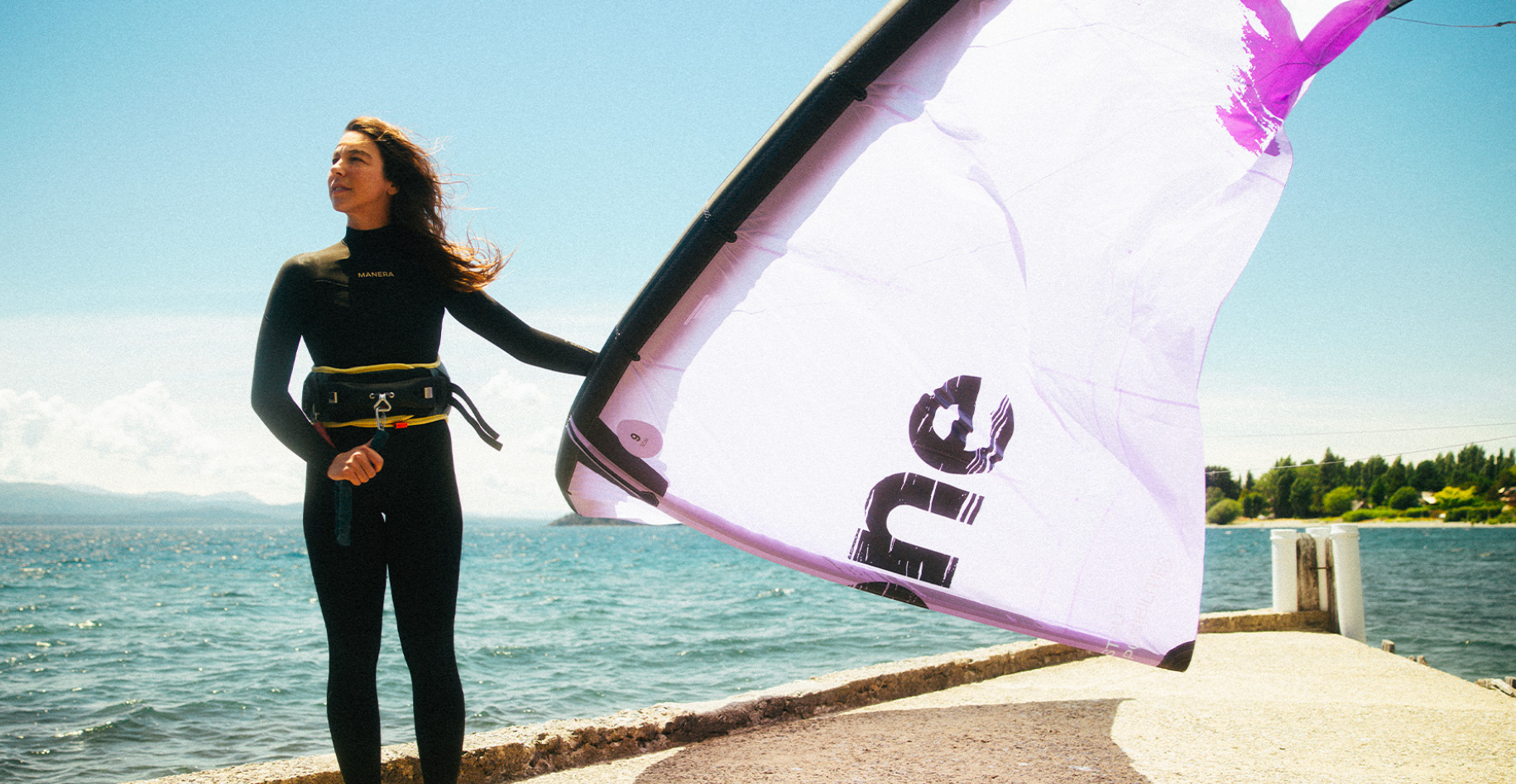
Why Does the Sport Have Two Names?
Kiting developed through a mix of surfing, windsurfing, wakeboarding, sailing and other board sports.
As it spread around the world, different communities naturally adopted different names.
Kitesurfing was easy for the public to understand. It looked like someone was surfing while being powered by a kite.
Kiteboarding became popular as the sport expanded beyond wave riding. Riders began using twintips, foil boards and other equipment, so boarding felt like a broader description.
Location also plays a role. Kitesurfing is widely used in Europe and at many international kite destinations, while kiteboarding is particularly common in North America.
You’ll notice this at international kite spots in Indonesia. One visitor might say kitesurfing, another kiteboarding and another simply kiting. They can all be talking about exactly the same afternoon session.
It’s better to think of the difference as an accent rather than a technical rule.
Does the Board Decide the Name?
Sometimes—but not always.
Some riders make the following distinction:
| Kitesurfing | Kiteboarding |
|---|---|
| Often associated with waves | Often associated with flat water |
| Usually linked to a directional board | Commonly linked to a twintip |
| Focused on carving and wave riding | Focused on freeride, freestyle or jumping |
| Influenced by surfing | Influenced by wakeboarding |
It sounds neat, but real life is rarely that tidy.
Someone riding a twintip on flat water may still say, “I’m going kitesurfing.” Someone using a directional board in the waves may call themselves a kiteboarder.
The board you choose depends on your level, the conditions and the kind of riding you enjoy—not on the name you use.
Riding Styles Matter More Than Terminology
Instead of worrying too much about kitesurfing vs kiteboarding, it’s more useful to understand the different ways you can enjoy the sport.
Freeride
Freeride is the most common style of kitesurfing and simply means riding for fun. Riders cruise, practice transitions, ride upwind, explore the spot and occasionally throw in some jumps or basic tricks. It’s the foundation of the sport and the starting point for progression into Big Air, Freestyle, Wave Riding or Foiling.
For many riders, freeride is the perfect balance between progression, freedom and enjoyment.
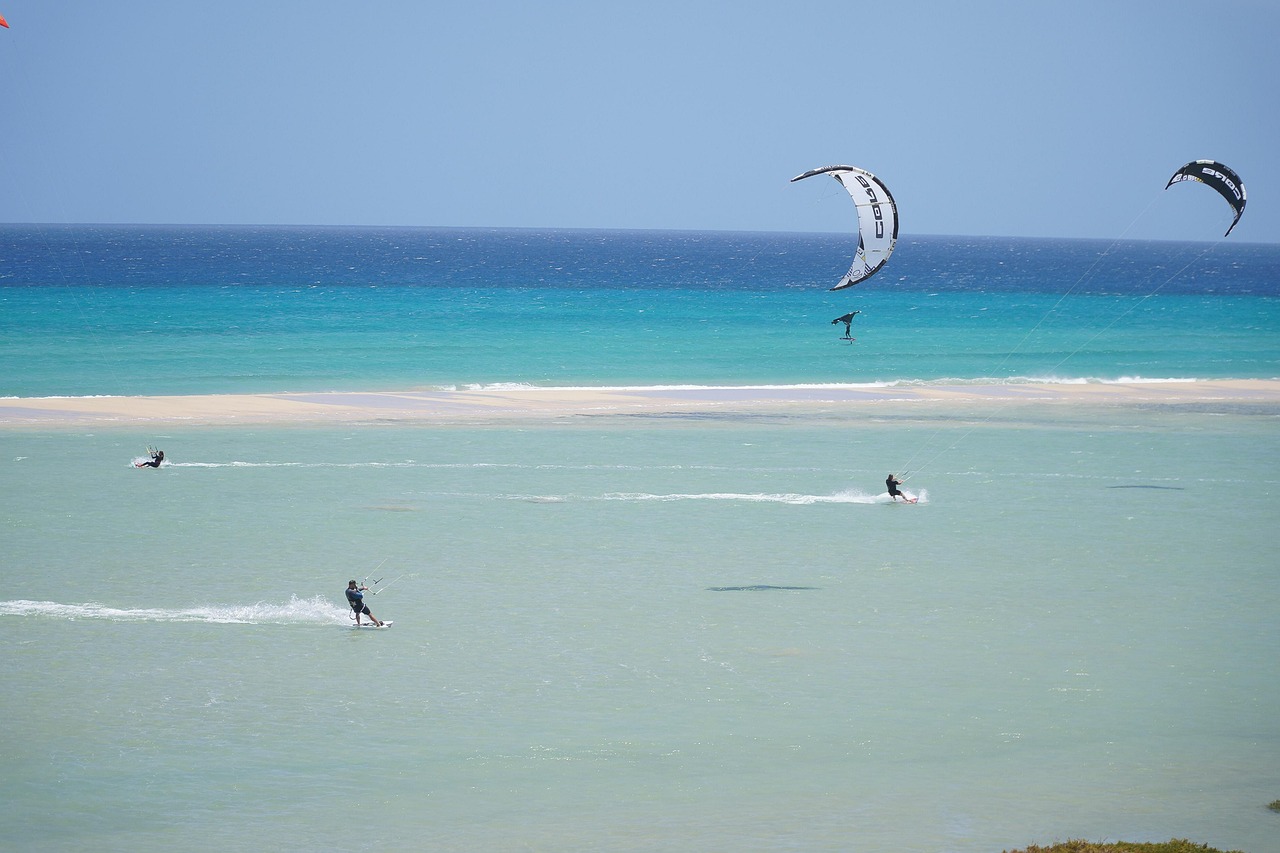
Image by Alexander Ludwig
Freestyle
Freestyle is all about tricks, creativity and technical progression. Riders use the kite and board to perform rotations, grabs, board-offs and powered aerial manoeuvres.
Within freestyle, there is a more specialized discipline known as NEW SCHOOL Freestyle (or simply wakestyle). Inspired by wakeboarding, riders often use a twintip equipped with boots instead of straps, ride with the kite unhooked from the harness, and perform highly technical tricks.
Unlike Big Air, where the kite provides most of the lift, New School Freestyle focuses on using the board’s edge and rider technique to generate power. The kite is typically kept lower and more stable, making the tricks look powerful, controlled and stylish.
For many riders, New School represents the most technical side of kiteboarding, while Big Air is considered the most extreme.
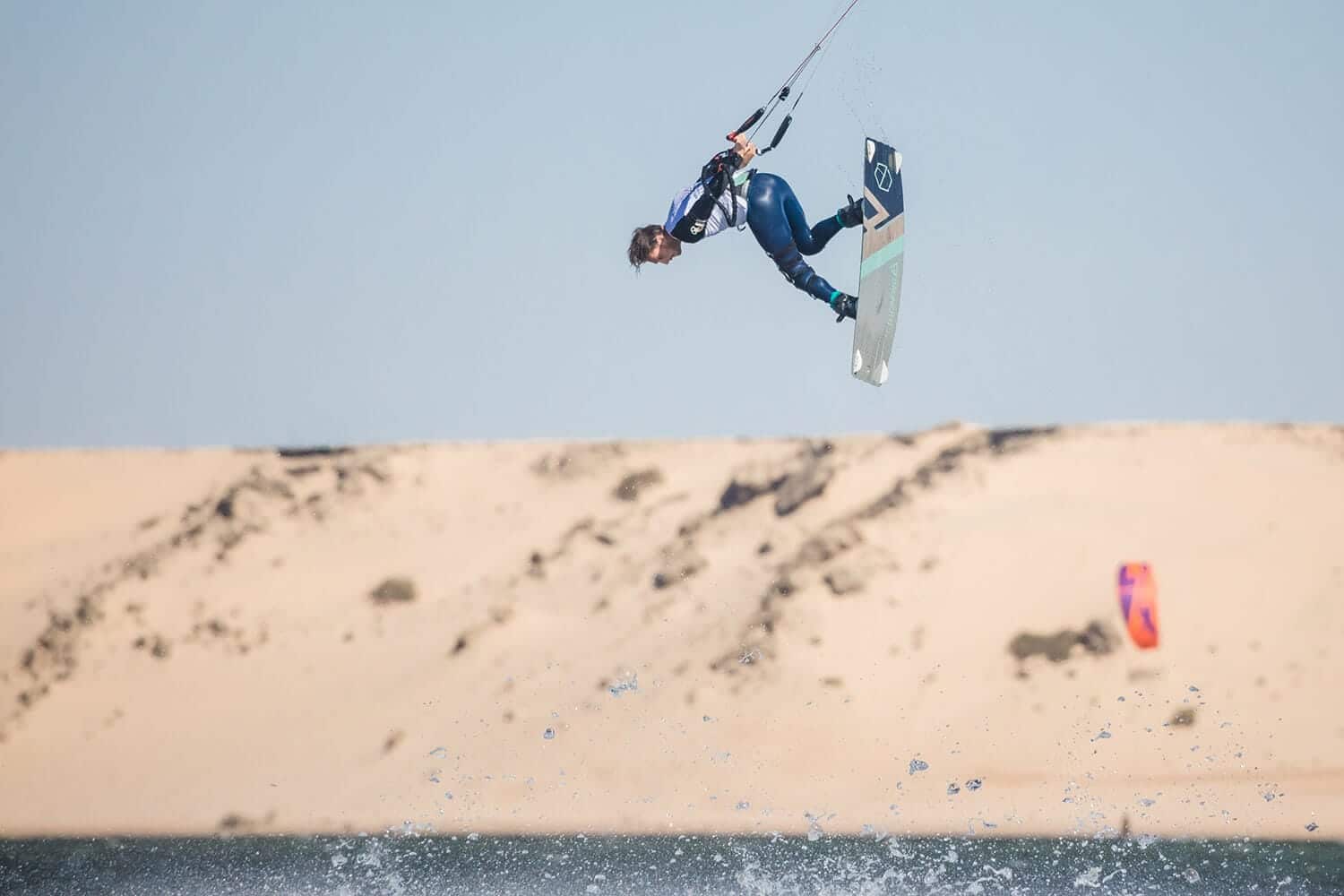
Big Air
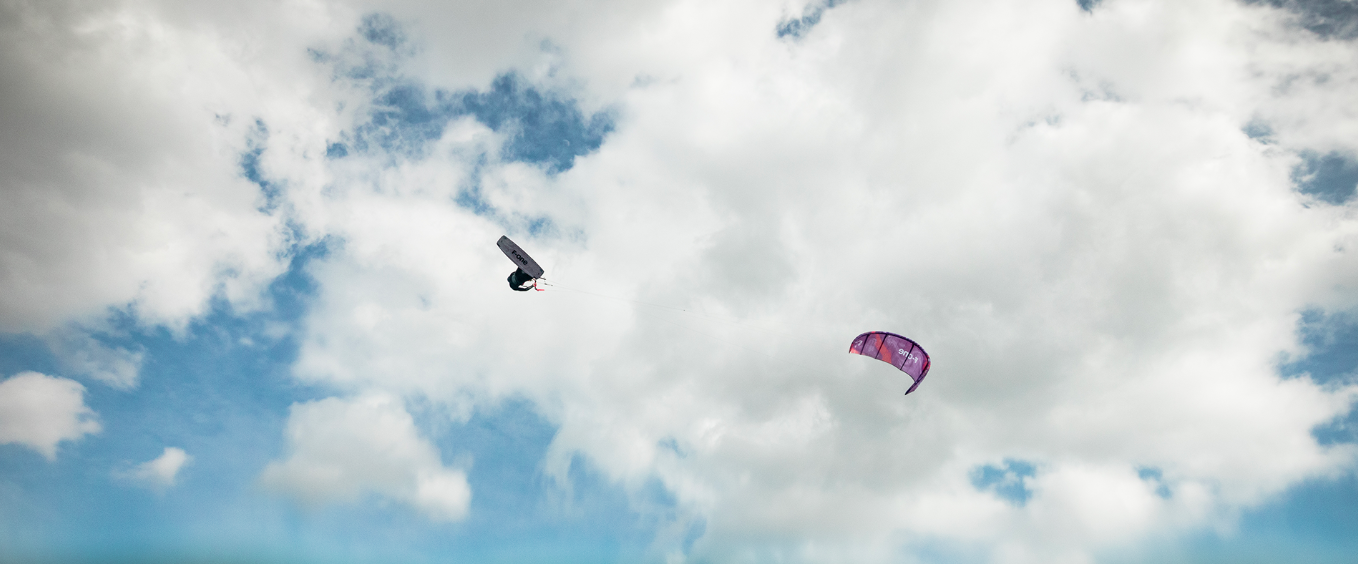
Big Air is focused on jumping as high as possible and performing aerial tricks with maximum height, hangtime and style. Riders use stronger winds to boost massive jumps, often adding grabs, rotations and advanced maneuvers such as kiteloops.
It is one of the most spectacular disciplines in kitesurfing and has become highly popular through events such as Red Bull King of the Air. Many riders progress into Big Air after building strong freeride skills and confidence with jumping.
Wave Riding
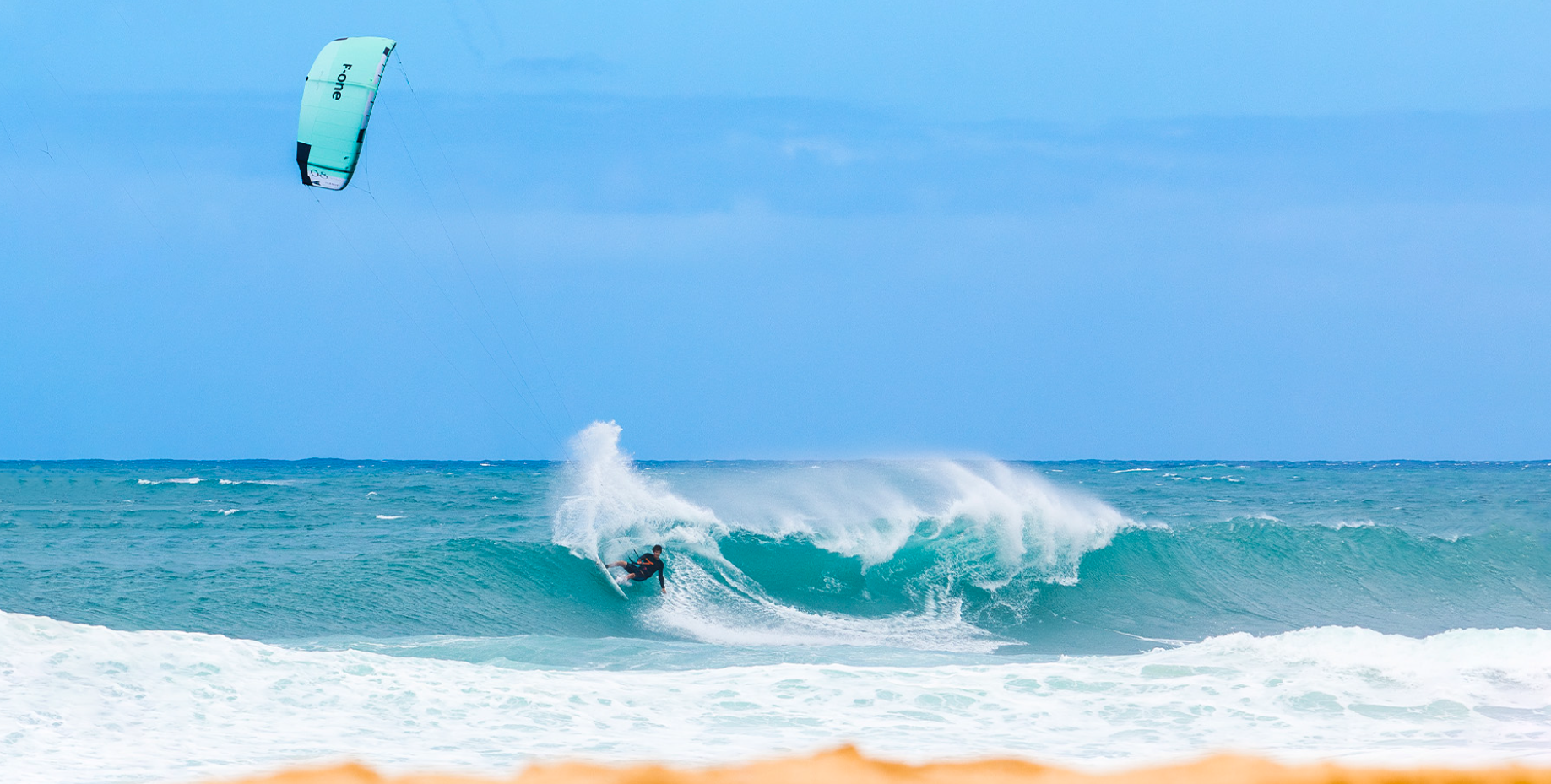
Wave Riding combines kitesurfing and surfing. Riders typically use a directional surf-style board and use the kite to access and position themselves on waves, while much of the ride comes from carving and using the wave’s energy itself.
The focus is less on height and tricks, and more on flow, timing and smooth turns. For many riders, Wave Riding offers the closest feeling to traditional surfing while allowing them to ride even when the waves aren’t powerful enough to surf without a kite.
This is the discipline where the word kitesurfing can feel particularly appropriate.
Foiling
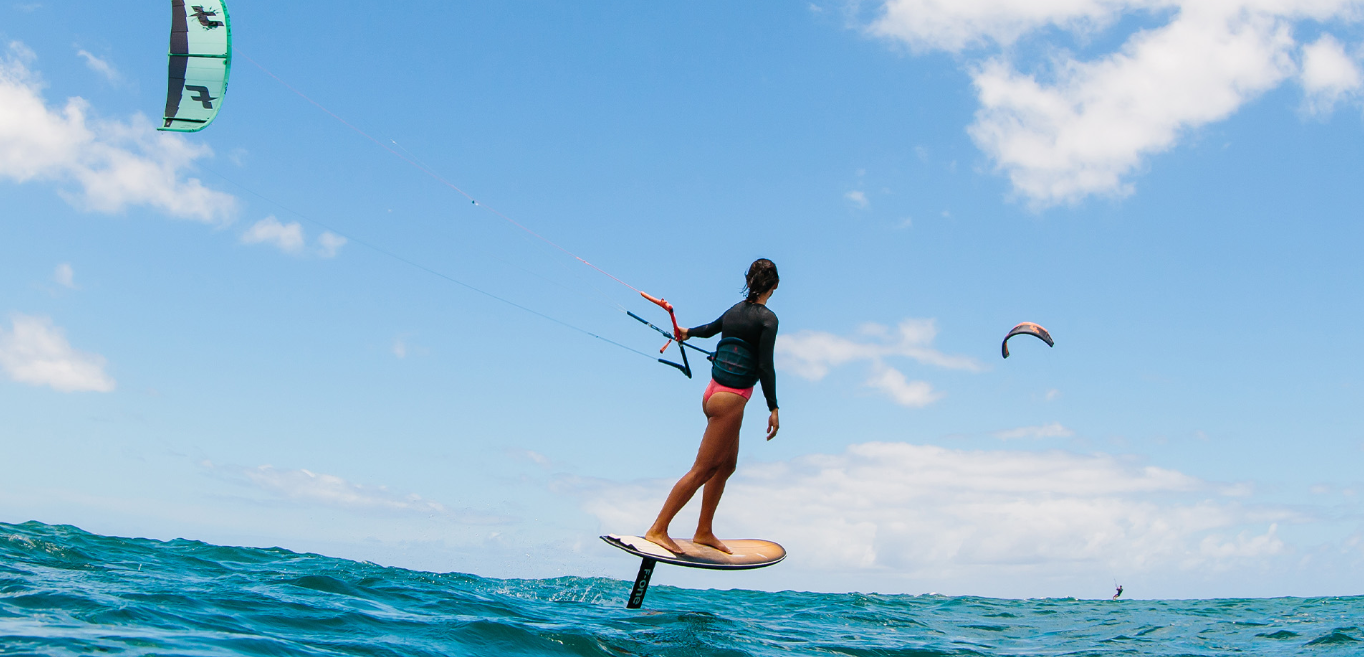
Foiling uses a hydrofoil mounted beneath the board, which lifts the rider above the water once enough speed is reached. This dramatically reduces drag, allowing riders to glide efficiently in very light winds and experience an incredibly smooth, almost silent sensation.
Foiling opens up new possibilities on days when other disciplines may struggle for wind and has become one of the fastest-growing segments of the sport.
Which Term Should You Use?
Honestly, use whichever feels most natural.
- Say kitesurfing when speaking to beginners or the general public.
- Say kiteboarding when referring to the broader board sport.
- Use freeride, freestyle, big air, wave riding or foiling when you want to describe a particular discipline.
- Say kiting when chatting casually with other riders.
Whichever term you choose, you’ll be understood at kite spots across Indonesia and around the world.
And the wind definitely doesn’t care.
Kitesurfing vs Kiteboarding: The Final Answer
Some riders use kiteboarding as the broader category and reserve kitesurfing for wave riding on a directional board. However, that distinction is informal and far from universal.
So don’t overthink the vocabulary. Find a suitable spot, learn with an experienced instructor and focus on enjoying your time on the water.
Whether you call it kitesurfing, kiteboarding or simply kiting, the feeling of your first proper ride is exactly the same.
How to Choose a Kitesurf Spot That Helps You Progress Quickly
Now that you understand the difference between kitesurfing and kiteboarding, the next step is choosing the right place to learn.
Discover why some kite spots help riders progress faster than others and learn why Indonesia is emerging on the kitesurf scene.